13 February 2026
How to Get Rid of An Ingrown Toenail
What is an Ingrown Toenail?
Ingrown toenails are an extremely common but uncomfortable issue where the edge of your nail grows into your toe. They usually occur in the big toe and typically on one side but this isn't always the case. If left untreated, ingrown toenails can be painful and lead to symptoms like redness, swelling and even infection.
The most common causes are improper trimming of the nail, poor footwear and toe injuries, just to name a few. Today, we're going to discuss how to get rid of an ingrown toenail and when it's time to seek professional medical help.
How to Treat an Ingrown Toenail
If you catch an ingrown toenail early enough, you may be able to try some of these at-home treatments first:
- Soak your foot in warm, salty water to help soften the skin and decrease the chance of infection. Do this for 10-20 minutes, 3-4 times a day and always ensure you thoroughly dry your foot afterwards. This warm, antiseptic solution helps by reducing pain, easing inflammation and drawing out infection.
- Wear open-toed or loose-fitting shoes to take pressure off your toe. Wider footwear reduces friction on the affected area which helps the inflamed skin heal and prevents the nail from being forced deeper into the skin.
- Apply a topical ointment to soften the surrounding skin and relieve the pain. Some over-the-counter creams can also help to break down the keratin in your nails which makes it easier to trim and manage the ingrown part.
- Take paracetamol or ibuprofen for additional pain relief throughout the day.
When to Visit a Professional
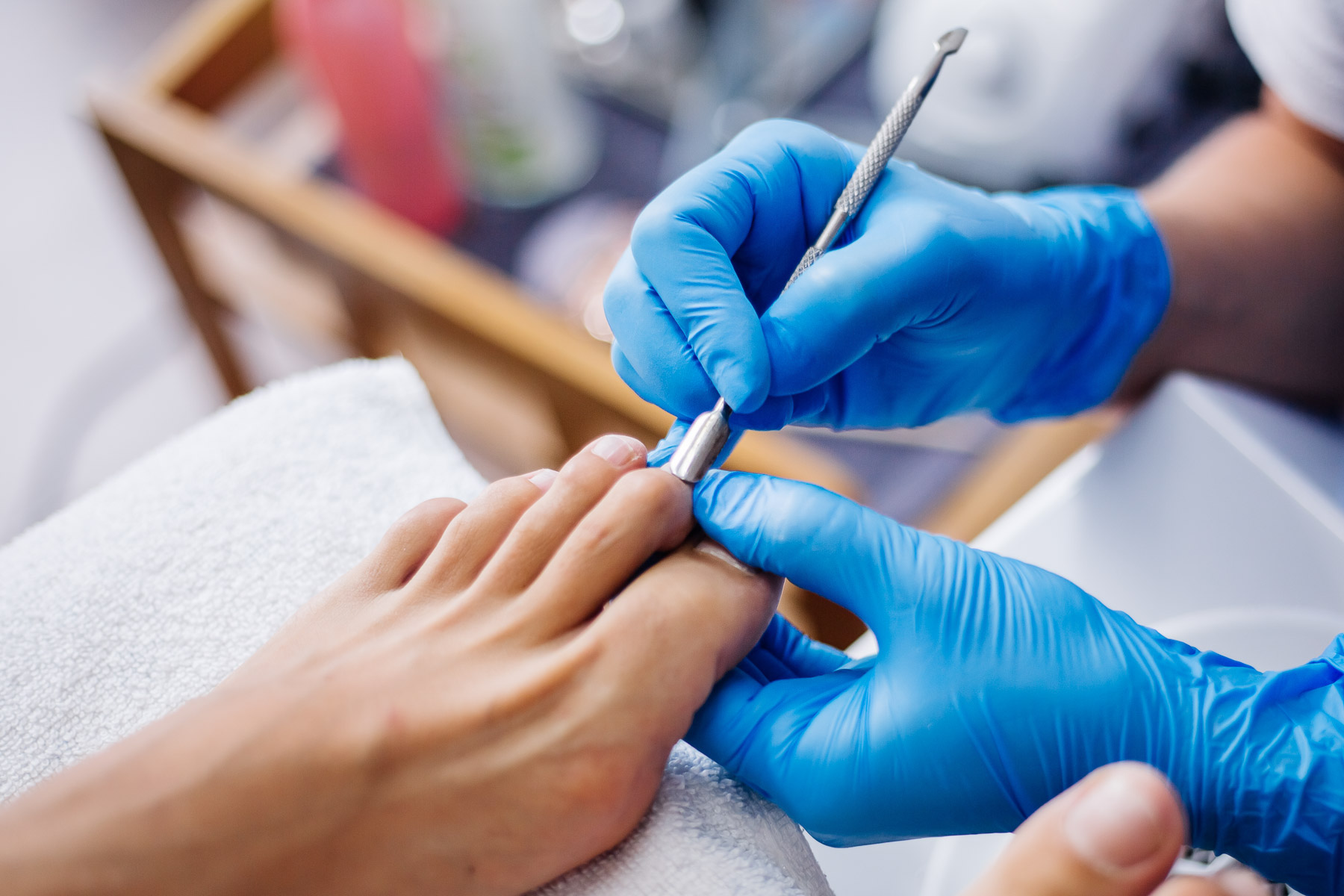
If home treatment isn't helping or your symptoms of an ingrown toenail worsen, you should seek advice from a healthcare professional. Podiatrists can offer a range of different treatment options depending on the severity of your infection. For mild cases, non-surgical options such as lifting the nail edge and placing a splint or nail bracing can be used, but where these are ineffective, minor nail surgery may be needed using local anaesthetic for a painless procedure.
How You Can Prevent Ingrown Toenails
- Cut your nails straight across and not too short
- Choose shoes that fit your feet well with plenty of room
- Keep your feet clean and dry
- Be mindful of health issues like diabetes where foot problems can be more serious
At Glen Foley Podiatry, our ingrown toenail treatment is designed to provide long-lasting relief and prevent recurring problems. With over 20 years' experience, we offer tailored treatment plans to suit your needs and give you practical advice to help you practice great foot health every day.
If you think you may have an ingrown toenail, contact Glen Foley today to see how we can help.